
Varicose Vein Treatment in Singapore
Minimally invasive solutions for lasting relief and improved leg health.
Varicose Veins
What Are Varicose Veins?
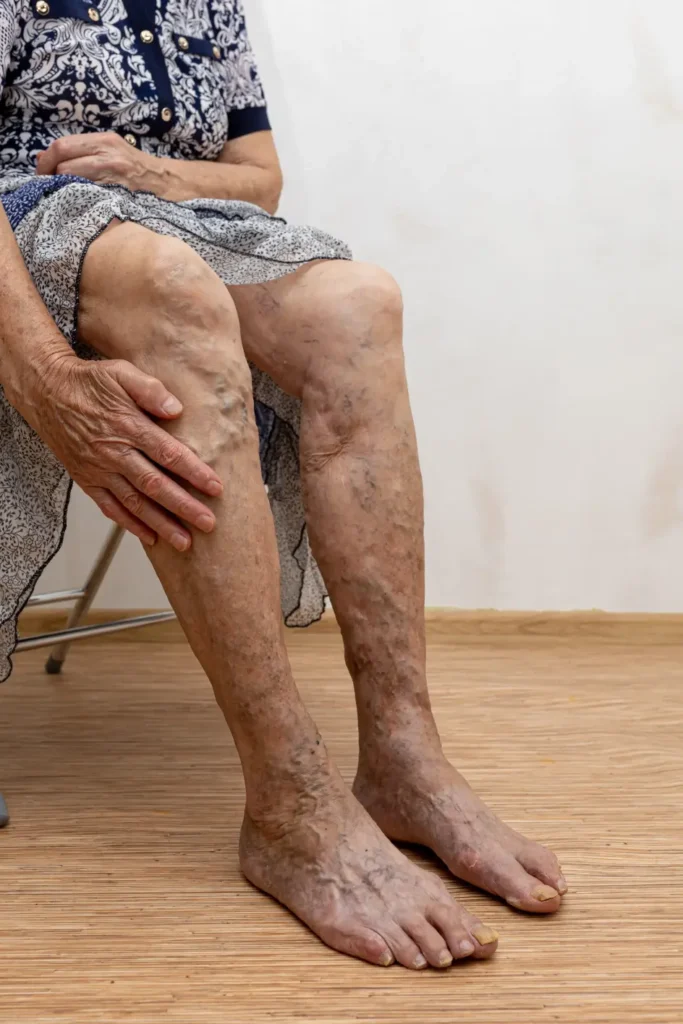
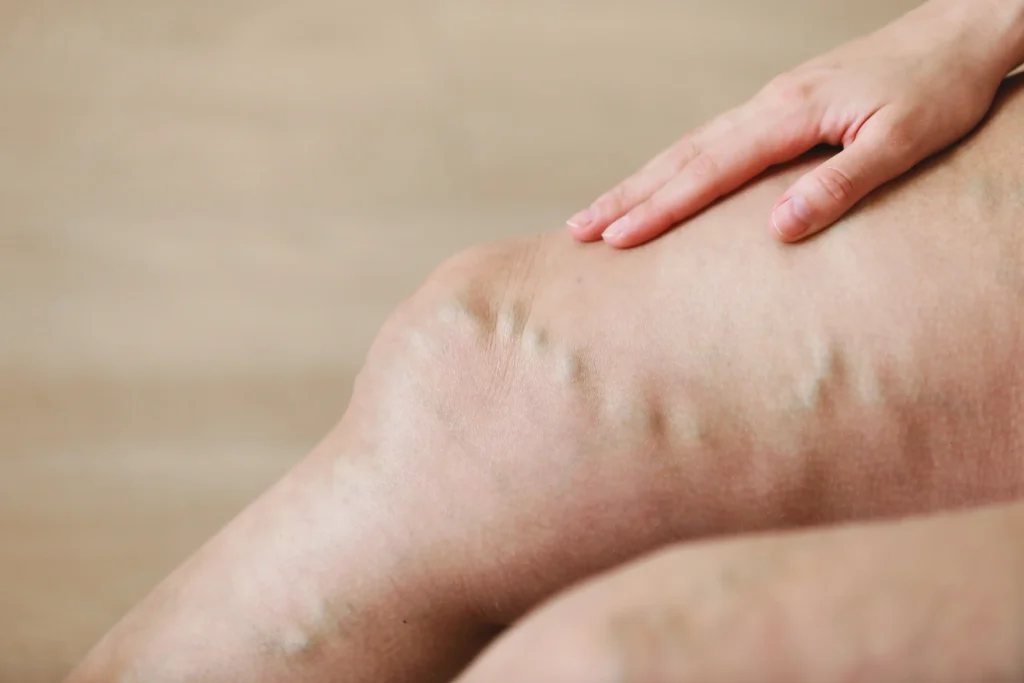
Recognising the Signs of Varicose Veins
Symptoms of varicose veins can differ from person to person, some individuals experience no pain and others suffering from significant discomfort.
The symptoms can be categorized into two main groups: visible signs and physical sensations.
Visible Signs:
- Veins that are dark purple, blue, or bluish-purple and visibly bulging, twisted, or resembling cords on the legs.
- Changes in skin color around the affected veins or ankles.
- Mild swelling of the feet or ankles.
Physical Sensations:
- An aching, heavy, or full feeling in the legs.
- Burning, throbbing, or muscle cramping, particularly in the lower legs and often at night.
- Pain that is worse after standing or sitting for a long time and tends to improve when the legs are elevated.
- Itching around one or more of the veins. This symptom is sometimes incorrectly attributed to or misdiagnosed as simple dry skin.
Understanding the Causes of Varicose Veins
When vein walls weaken and the valves inside don’t close properly, blood can flow backwards and pool in the vein. This extra pressure makes the vein swell and twist, causing the visible varicose veins you see on the skin.
Several established risk factors can contribute to this process, either by increasing pressure within the veins or by affecting the integrity of the vein walls :
Family History
A genetic predisposition is a significant factor. Individuals with a family history of varicose veins have a substantially higher chance of developing the condition themselves.
Age
The natural aging process causes wear and tear on the valves that regulate blood flow. Over time, this can lead to valvular failure and the collection of blood in the veins.
Gender
Women are more prone to developing varicose veins than men. This is largely due to hormonal fluctuations. Hormones such as estrogen and progesterone, particularly during menstruation, pregnancy, and menopause, can relax vein walls, making them stretch more easily. Birth control pills and hormone treatments can also increase the risk.
Pregnancy
During pregnancy, blood volume increases to support the baby, which puts more strain on veins. The growing womb also presses on a major vein in the abdomen, slowing blood flow and raising pressure in the leg veins.
Lifestyle and Occupation
Standing or sitting for long hours can slow blood flow and increase pressure in the legs. Jobs that require this, like nursing or factory work, raise the risk. Lack of exercise and being overweight can add extra strain on the veins, making the problem worse.
Potential Complications of Untreated Varicose Veins
Varicose veins may seem like just a cosmetic concern, but they are actually a medical condition that can get worse over time if left untreated. Poor blood flow and constant pressure in the affected veins can lead to serious health problems. What may start as mild discomfort can progress to significant medical complications.
Here are some possible complications:
Persistent Pain and Discomfort
Ongoing aching, heaviness, or throbbing in the legs can interfere with one’s daily activities and reduce quality of life.
Skin Changes
Long-term vein problems can affect the skin. You may notice itchy rashes (dermatitis), changes in skin color (especially around the ankles), or skin that becomes thick and firm (lipodermatosclerosis).
Ulcers
In complex cases, painful sores may develop on the skin, often near the ankles. These ulcers are slow to heal unless the underlying vein issue is treated.
Blood Clots
Varicose veins can increase the risk of blood clots. This may appear as superficial thrombophlebitis—a clot in a vein close to the skin—which causes pain and swelling. While usually not life-threatening, it can be uncomfortable and may indicate a serious condition.
Bleeding
In rare cases, veins close to the skin’s surface can burst, causing bleeding. Even if it seems minor, it should be checked by a vascular surgeon
Not sure if it’s varicose veins? Let us check for you.
Varicose Vein Care Options at Our Clinic
Today, treating varicose veins no longer means going through traditional surgery. Modern, minimally invasive techniques offer reliable results with less pain, minimal downtime, and enhanced cosmetic outcomes. Usually treatments are done in a clinic setting under local anesthesia, allowing patients to walk out the same day and quickly return to normal activities.
Endovenous Ablation (Radiofrequency & Laser)
How it works
Endovenous Thermal Ablation (laser or radiofrequency) treats varicose veins by sealing them from the inside with heat. Under ultrasound guidance, a thin fibre is inserted into the vein, and anaesthetic fluid is applied to protect surrounding tissue. Heat causes the vein to collapse and close, and it is naturally absorbed by the body.
Benefits
Blood naturally reroutes to healthier veins, pain and bruising are minimal, and usually patients can resume regular activities the next day.
Treatment
Done under local anaesthesia, the procedure takes about 1 hour per leg and may be combined with microphlebectomy for larger veins. Recovery is quick, with minimal bruising and discomfort. Risks are rare but can include bruising, inflammation, infection, blood clots, or temporary nerve irritation.
Ultrasound-guided Foam Sclerotherapy
A minimally invasive treatment for larger or recurrent varicose veins, using foam to seal the vein from within. Performed under ultrasound guidance for precision and healthy recovery.
How it works
Foam sclerotherapy treats larger or recurrent varicose veins by mixing a special solution with air to create foam. When injected into the vein under ultrasound guidance, the foam pushes out blood, coats the vein walls, and seals the vein. Over time, the vein shrinks and is absorbed by the body.
Treatment Process
Done as an outpatient procedure with minimal discomfort and bruising. You can resume normal activities immediately. Often used for veins remaining after surgery or endovenous ablation.
Endovenous Non-Thermal Ablation
How it works
Non-thermal ablation treats varicose veins without using heat, avoiding the need for tumescent anaesthesia and reducing the risk of nerve injury. Two main techniques are used:
- ClariVein® – A rotating wire inside the vein releases a sclerosant, causing the vein to close.
- VenaSeal® – A medical-grade adhesive (“superglue”) is applied to seal the vein permanently.
Treatment Process
Both methods are done through a tiny pinhole under local anaesthesia, guided by ultrasound. There’s minimal pain, bruising, and downtime, allowing patients to return to normal activities.
Microphlebectomy (Ambulatory Phlebectomy)
How it works
Before the procedure, ultrasound imaging is used to map the veins so they can be removed through the smallest possible openings. Tiny incisions—just 2–3mm—are made near the affected vein. Using a delicate vein hook, the vein is gently lifted and removed through these openings.
Treatment
No stitches needed in normal cases; the small marks heal to look like freckles. A small adhesive tape is applied. Generally patients can walk immediately after the procedure and return to normal daily activities within a short time
Vein Stripping and Ligation (Surgery)
How it works
For very large or twisted varicose veins, surgery may be needed to remove them completely. Two small incisions are made — one in the groin (about 3–4 cm) and another in the leg (about 1 cm). The vein is tied off (ligation) to stop blood flow, then a thin flexible wire is used to gently pull it out (stripping).
Treatment
The procedure is done in an operating theatre under general or spinal anaesthesia, usually requiring an overnight hospital stay.
Book Your Consultation Today
What is the Cost of the Treatment?
The cost of treating varicose veins in Singapore can vary depending on the procedure type, the extent of the condition, and the medical facility chosen. To guide patients, the Ministry of Health (MOH) has published benchmark fee ranges for surgeons’ charges. These figures do not include additional costs such as GST, hospital or day surgery charges, consultation, or equipment fees.
Endovenous Ablation & VenaSeal
MOH code: SD713V-
Endovenous Laser Ablation (EVLA)
-
Radiofrequency Ablation (RFA)
-
VenaSeal (medical adhesive closure)
Ligation & Vein Stripping
MOH codes: SD805V / SD806V-
High ligation
-
Radiofrequency Ablation (RFA)
Micro Phlebectomy
MOH code: SD808V-
Micro Surgical Avulsion (MSA)
Sclerotherapy
MOH code: SD717V-
Injection treatment for smaller varicose and spider veins
In-Clinic Cost for Microsclerotherapy & Foam Sclerotherapy
For patients who require targeted treatment of smaller varicose veins or superficial spider veins, microsclerotherapy and foam sclerotherapy are commonly performed as in-clinic procedures. These sessions are typically done under local anaesthesia and do not require downtime.
Treatment Fee (Per Session)
Microsclerotherapy
S$1,000 – S$1,200 per session
- Ideal for fine to medium-sized surface veins
- Uses a very small needle to inject a sclerosant solution directly into the vein
Foam Sclerotherapy
S$1,000 – S$1,200 per session
- Suitable for slightly larger or deeper veins
- The medication is mixed into a foam, allowing better contact with the vein walls
Why Choose The Vascular Vein and Wound Centre?
Led by Dr. Tan Yih Kai
Vascular and endovascular surgeon, and wound care specialist. He brings international training, years of vascular surgery experience, and a focus on patient comfort.
Experienced Surgeon
Over 25 years of clinical experience in managing arterial, venous, and wound conditions.
Techniques
Evidence-based techniques and clinically validated equipment